20 Aug 2026
Sweden's Licensing Rules Shape Live Dealer Blackjack Availability on Mobile Platforms
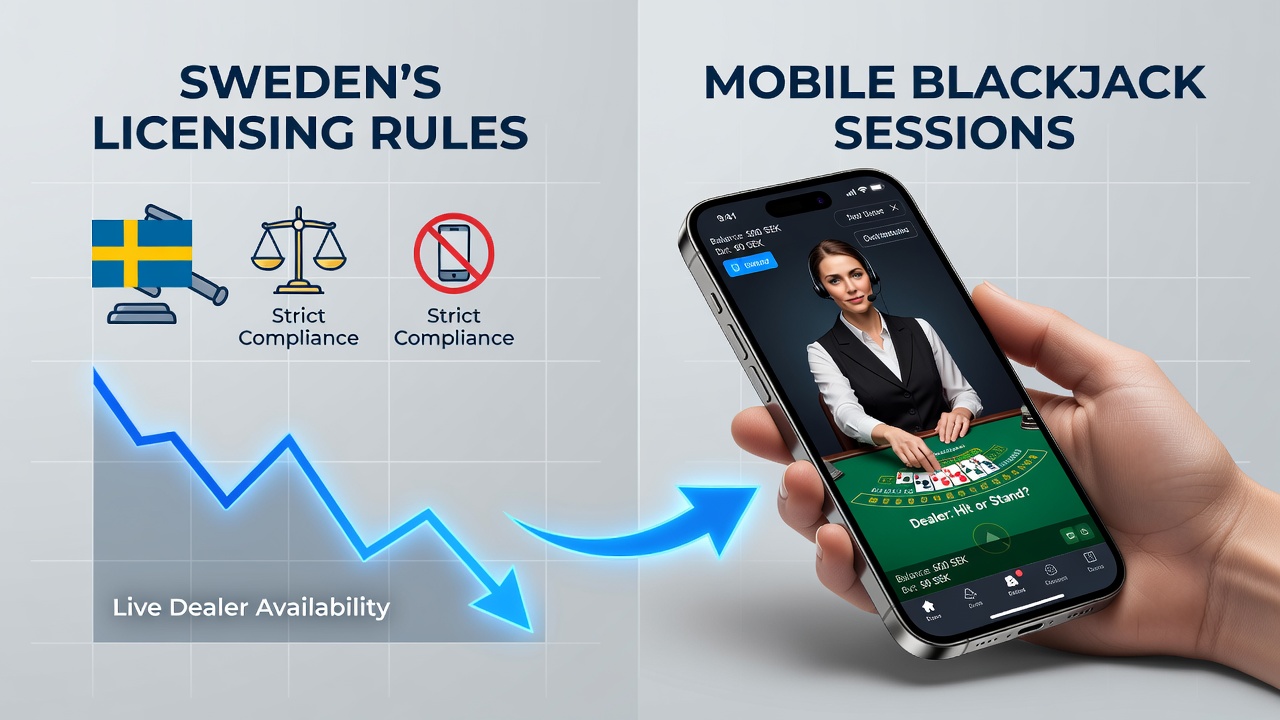
Sweden maintains a strict licensing system through Spelinspektionen that requires every operator providing gambling services to hold a valid permit, and this framework extends to live dealer offerings where real-time video streams connect players to professional blackjack tables via mobile devices.
Core Elements of the Licensing Process
Operators seeking entry into the Swedish market submit detailed applications that cover financial stability, technical infrastructure, and responsible gambling protocols, while those who secure approval gain permission to host live sessions that comply with national standards for fairness and security. Data from regulatory filings shows that only a limited number of companies meet these criteria each year, and the resulting pool of authorized platforms directly determines which mobile apps or browser-based interfaces can stream live blackjack dealers without interruption or legal risk.
Technical requirements include certified random number generators alongside live video feeds that undergo regular audits, and mobile compatibility demands responsive designs that maintain low latency during peak hours. Experts note that unlicensed operators face immediate blocks on Swedish IP addresses, which reduces overall choice for users who prefer real-time dealer interactions over automated versions on their smartphones or tablets.
Direct Consequences for Mobile Blackjack Sessions
Live dealer blackjack relies on continuous video connections from physical or virtual studios, and Swedish rules mandate that all such streams originate from or route through licensed entities, which limits the number of simultaneous tables available at any given moment. Research indicates that player traffic concentrates on fewer approved sites, and this concentration can lead to longer wait times for popular limits or specific rule variations during evening hours.
Mobile users encounter additional layers because device-specific testing forms part of the licensing evaluation, and operators must demonstrate stable performance across major operating systems before receiving clearance. Figures reveal that sessions on approved platforms average shorter connection drops compared with international alternatives that remain inaccessible from within Sweden.
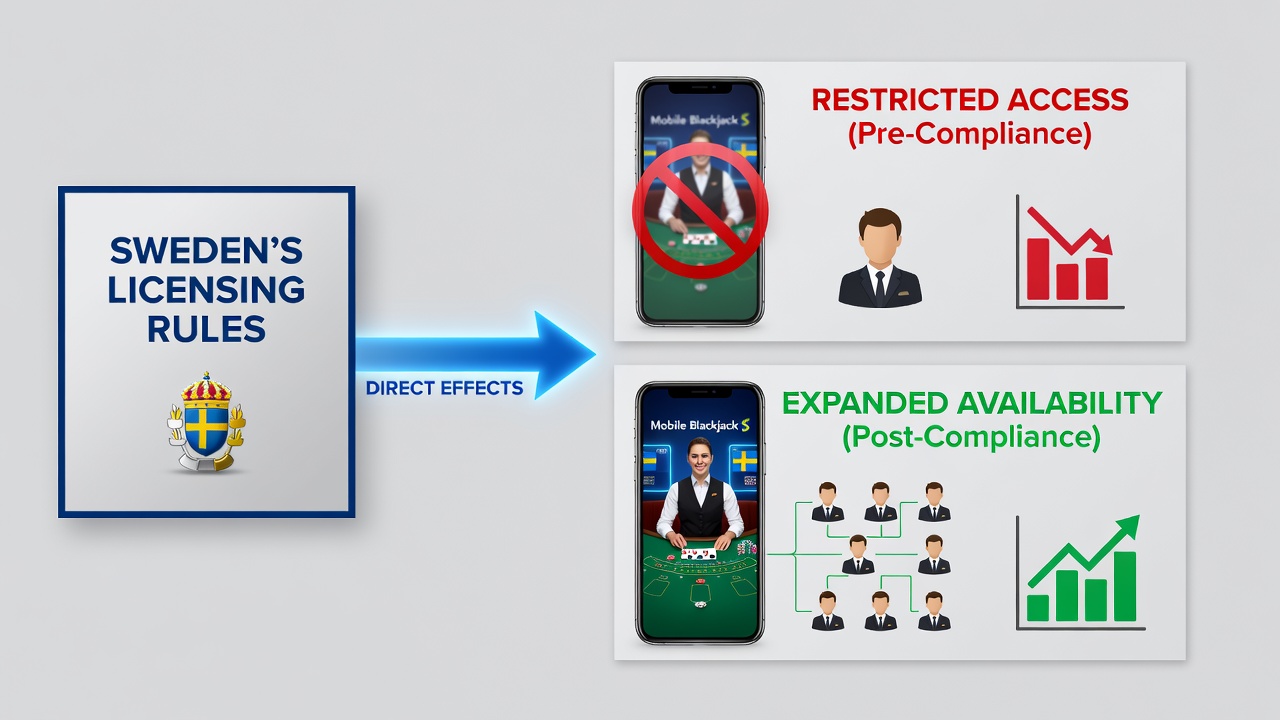
Payment integration also ties into licensing, since only permitted financial channels can process deposits and withdrawals for live play, and this setup prevents many third-party wallets from functioning on mobile blackjack interfaces. Observers report that players who switch between devices often need to verify their accounts again when moving from desktop to smartphone, which adds steps that unlicensed services outside Sweden do not impose.
Market Dynamics and Operator Responses
Companies that obtain Swedish licenses frequently adjust their live dealer libraries to prioritize blackjack variants that align with local preferences, and data shows increased emphasis on tables with Swedish-language dealers or localized betting options. Yet the high compliance costs associated with maintaining these standards mean some operators scale back the total number of simultaneous mobile streams they offer, which narrows selection further for users seeking variety during August 2026 peak periods.
Industry reports from the European Gaming and Betting Association highlight how regional licensing models like Sweden's influence studio partnerships, since production companies must align equipment and staffing with each jurisdiction's audit schedules. This alignment creates situations where mobile blackjack availability fluctuates based on renewal cycles rather than player demand alone.
Player Access Patterns Observed in 2026
Usage statistics compiled through licensed platforms demonstrate that mobile sessions account for a growing share of live blackjack activity, and this trend coincides with improved 5G coverage across major Swedish cities. Those who study access patterns note that peak usage occurs between 6 PM and 11 PM local time, during which licensed operators maintain dedicated mobile queues to manage table capacity.
Cross-border comparisons appear in academic papers from institutions such as the University of Nevada, Reno Gaming Research Center, which track how differing regulatory environments affect real-time dealer availability, and Swedish data consistently shows tighter controls that translate into fewer but more consistently regulated options for smartphone users.
Conclusion
Sweden's licensing structure continues to filter the range of live dealer blackjack experiences reachable on mobile devices, and ongoing compliance obligations shape both the quantity and quality of tables that authorized operators can sustain. Players who remain within the licensed ecosystem encounter standardized protections alongside constrained choices, while the regulatory environment evolves through periodic reviews that may adjust technical or operational thresholds in coming years.